




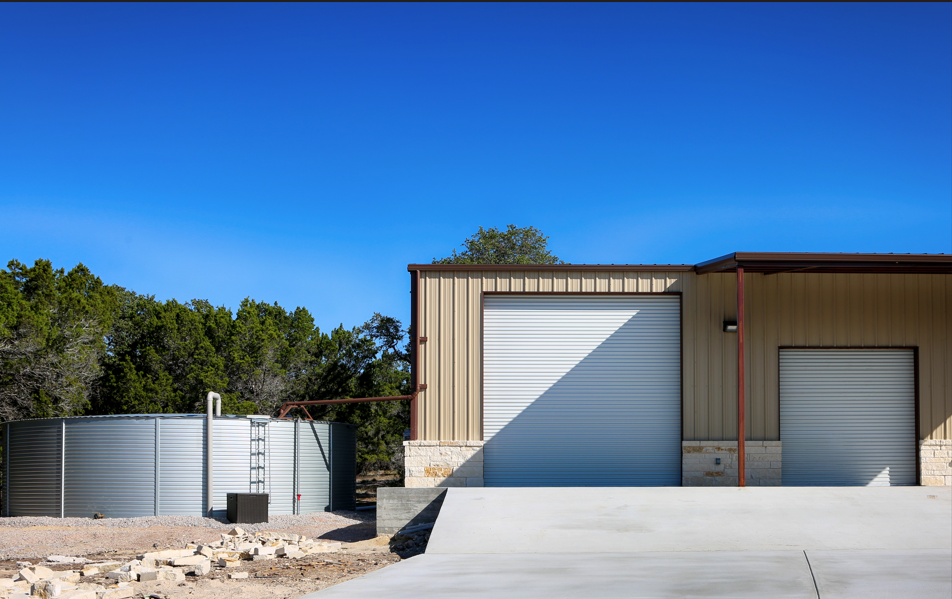
Water is one of the most valuable resources you can manage on your property, whether you’re running a farm, maintaining livestock, supporting a rural homestead, or simply preparing for dry seasons and emergencies. Yet many landowners underestimate how much thought should go into selecting a water storage system. The right setup can mean reliable access to clean water year-round, while the wrong one can lead to costly repairs, contamination issues, or simply not having enough supply when you need it most.
Understand Your Water Needs First
Before comparing tanks or storage options, take time to evaluate what you actually need. Are you storing water for household use, irrigation, livestock, or fire suppression? Each purpose comes with different demands for capacity, filtration, and accessibility. A homestead relying on well water for daily living has very different requirements than a rancher who needs a dependable supply for cattle troughs spread across pasture land.
Consider your peak usage periods as well. Dry seasons, drought conditions, or periods of high agricultural activity can dramatically increase demand. Planning around your highest-need scenario, rather than an average day, will help ensure your system doesn’t fall short when it matters most.
Evaluate the Type of Storage That Fits Your Property
There isn’t a single best water storage solution for every property. The right choice depends on your land’s terrain, climate, and intended use.
- Above-ground tanks are popular for their ease of installation and maintenance. They’re generally more affordable upfront and simpler to inspect for leaks or damage. However, they can be more exposed to temperature swings and sunlight, which may affect water quality over time if not properly shaded or insulated.
- Underground or partially buried tanks offer better temperature regulation and protection from the elements, making them a strong choice in areas with extreme heat or cold. The tradeoff is a more involved installation process and potentially higher upfront costs.
- Elevated storage systems can provide gravity-fed water pressure without relying on pumps, which is especially useful for remote properties or areas prone to power outages. This option works well for landowners looking to reduce dependence on electrical systems for basic water access.
Material Matters
The material your tank is made from affects durability, water quality, and long-term maintenance. Common options include:
- Poly (plastic) tanks – lightweight, resistant to rust, and relatively low-cost, though they may be less durable under extreme impact or UV exposure without proper treatment.
- Steel tanks – strong and long-lasting, often used for larger-capacity needs, but they require attention to corrosion resistance depending on the water type stored.
- Concrete tanks – extremely durable and well-suited for permanent installations, though installation is more labor-intensive and costly.
Companies like USA Tank offer a range of materials and configurations, which can be helpful to explore when weighing durability against budget and installation complexity.
Factor in Placement and Accessibility
Where you place your storage system matters just as much as what kind you choose. Tanks should be positioned on stable, well-draining ground to prevent shifting or foundation issues over time. Proximity to the point of use, whether that’s a barn, irrigation line, or household plumbing, can reduce the cost and complexity of piping.
Accessibility for maintenance is another often-overlooked factor. Choose a location that allows for easy inspection, cleaning, and repairs without requiring heavy equipment or difficult terrain navigation.
Don’t Overlook Local Regulations and Climate
Many regions have specific guidelines around water storage, particularly for agricultural or emergency use. Checking local codes before installation can save you from costly modifications down the road. Climate should also inform your decision, freeze protection may be essential in colder regions, while UV-resistant materials matter more in areas with intense sun exposure.
Plan for the Long Term
A water storage system is a long-term investment, so it’s worth thinking beyond your immediate needs. Consider whether your property might expand its water usage in the future, whether through additional livestock, new irrigation zones, or emergency preparedness planning. Choosing a system with some flexibility for future scaling can save you from needing a full replacement down the line.
Final Thoughts
Selecting the right water storage system comes down to understanding your specific needs, evaluating the materials and designs available, and thinking carefully about placement and future growth. Taking the time to research your options now will pay off in reliability, cost savings, and peace of mind for years to come.
